Strength is the foundation of everyday acts of athleticism (like hitting a 300- yard drive in golf) and not-so-human feats. Strength isn’t limited to muscle size and capacity. When you get stronger, you’re better able to lose weight and run faster, and hit harder.
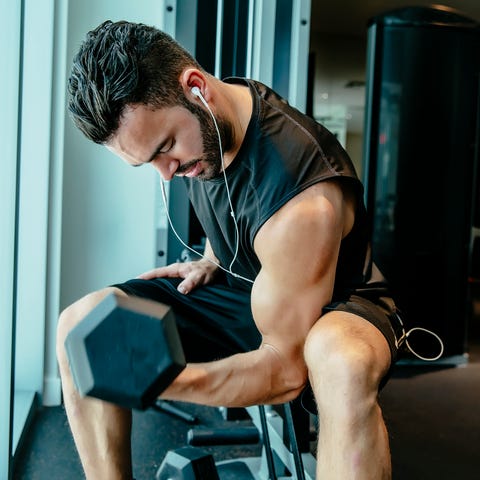
Strength or resistance training challenges your muscles with a stronger-than-usual counterforce, such as pushing against a wall or lifting a dumbbell or pulling on a resistance band. Using progressively heavier weights or increasing resistance makes muscles stronger. This kind of exercise increases muscle mass, tones muscles, and strengthens bones. It also helps you maintain the strength you need for everyday activities — lifting groceries, climbing stairs, rising from a chair, or rushing for the bus.
Here are some strentgh training tips we are enlisting for you guys; check them out
- Warm up and cool down for five to 10 minutes. Walking is a fine way to warm up; stretching is an excellent way to cool down.

- Focus on form, not weight.: Align your body correctly and move smoothly through each exercise. Poor form can prompt injuries and slow gains. When learning a strength training routine, many experts suggest starting with no weight, or very light weight. Concentrate on slow, smooth lifts and equally controlled descents while isolating a muscle group.
- Working at the right tempo helps you stay in control rather than compromise strength gains through momentum. For example, count to three while lowering a weight, hold, then count to three while raising it to the starting position.
- Pay attention to your breathing during your workouts. Exhale as you work against resistance by lifting, pushing, or pulling; inhale as you release.
- Use barbells first : Forget all the fad equipment. The barbell is king, dumbbell is queen, and everything else is a court jester—they may have their place, but they’re not essential. Start your workouts with barbell exercises, such as the “big four,” as described above. Barbells let you load a lot of weight, and lifting heavy is the first step toward getting stronger. Once your heaviest strength exercises are out of the way, you can move on to dumbbell and bodyweight training.

- Keep challenging muscles by slowly increasing weight or resistance. The right weight for you differs depending on the exercise. Choose a weight that tires the targeted muscle or muscles by the last two repetitions while still allowing you to maintain good form. If you can’t do the last two reps, choose a lighter weight. When it feels too easy to complete add weight (roughly 1 to 2 pounds for arms, 2 to 5 pounds for legs), or add another set of repetitions to your workout (up to three sets). If you add weight, remember that you should be able to do all the repetitions with good form and the targeted muscles should feel tired by the last two.
- Stick with your routine — working all the major muscles of your body two or three times a week is ideal. You can choose to do one full-body strength workout two or three times a week, or you may break your strength workout into upper- and lower-body components. In that case, be sure you perform each component two or three times a week.